

Prabowo’s Reforms Aim to Transform Indonesia’s State-Owned Enterprises Amid New Law and Regulatory Changes
Efforts to Clean Up SOEs Face Bureaucratic and Political Challenges in Indonesia’s Drive for Better Governance

Indonesia is at a pivotal moment in its efforts to reform and revitalise its sprawling network of state-owned enterprises (SOEs). Under President Prabowo Subianto’s leadership, the government has declared a firm stance against corruption, mismanagement, and inefficient operations, aiming to turn these companies into more effective and profitable entities.
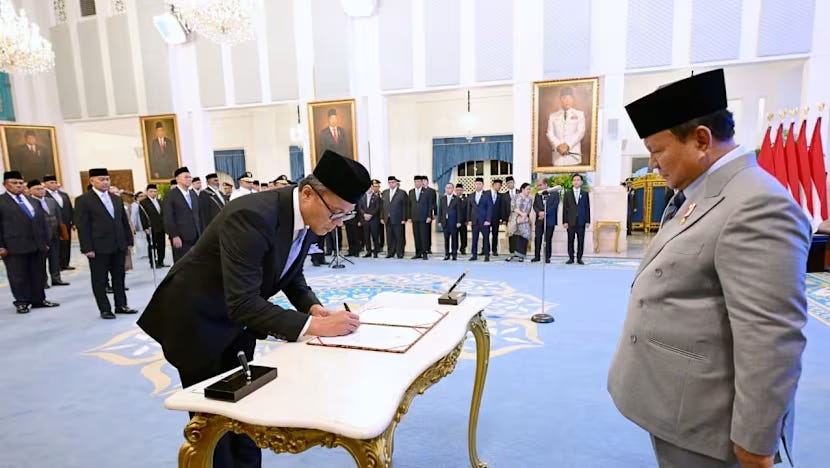
The recent enactment of a new law and the creation of a dedicated regulator signal the government’s serious intent to overhaul the management and governance of SOEs, which have long been plagued by financial losses, political interference, and corruption scandals.
The Promise of a New Legal Framework and Regulatory Body
On paper, Indonesia’s SOEs have immense potential, benefitting from a large domestic market, decades of expertise, and access to government funding. However, reality paints a different picture. Many SOEs have been weighed down by mounting debt, legal troubles, and allegations of corruption. President Prabowo’s administration aims to reverse this trend through a comprehensive reform agenda encapsulated in a new law that establishes the State-Owned Enterprise Management Agency (BP BUMN). This new regulator replaces the previous Ministry of SOEs, seeking to bring clarity, accountability, and efficiency to the sector.
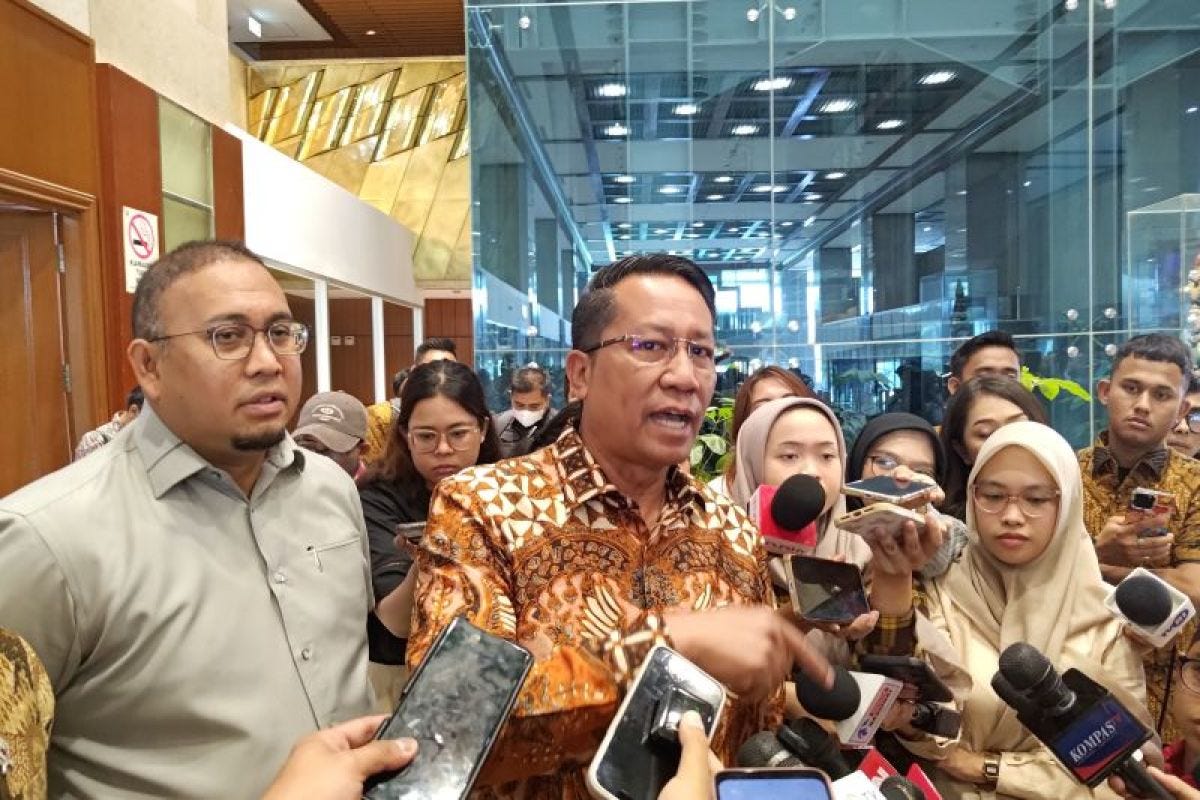
Dony Oskaria, the COO of Danantara Indonesia’s new sovereign wealth fund has been appointed to lead BP BUMN. The agency is empowered to oversee the operational and financial management of SOEs, with the authority to approve budgets, work plans, and investments. Meanwhile, Danantara will manage the government’s shareholdings and dividends, with the government retaining a “golden share” that grants veto rights over significant decisions.
Structural Changes and the Role of Danantara
One of the key features of the reform is the transfer of most government-held shares about 99 percent of SOEs to Danantara, leaving the government with a mere 1 percent “golden share.” This structure aims to depoliticise decision-making and allow SOEs to operate more like private firms. Experts see this as a positive step toward professionalising management and reducing political interference.
However, critics warn that the creation of a new regulator alongside Danantara could lead to bureaucratic overlaps, delays, and internal conflicts. Some argue that BP BUMN’s broad powers to approve budgets and oversee SOEs could undermine Danantara’s autonomy, creating a tug-of-war that hampers swift decision-making and reform efforts.
The Political and Economic Context of SOE Reforms
President Prabowo’s push to reform SOEs is driven by a recognition of their crucial role in Indonesia’s economy and the need to improve their performance. Many SOEs have historically been used as tools for political patronage, funding development projects that often lack financial sustainability. For example, Indonesia’s high-speed railway project “Whoosh,” championed by former President Jokowi, faced significant losses due to weak passenger demand and over-reliance on government loans.
Furthermore, several large construction SOEs, including Waskita Karya and Wijaya Karya, have struggled under heavy debts accumulated from infrastructure projects. These financial strains highlight the risks of politically driven development, where investments are made more for electoral gains than long-term profitability.
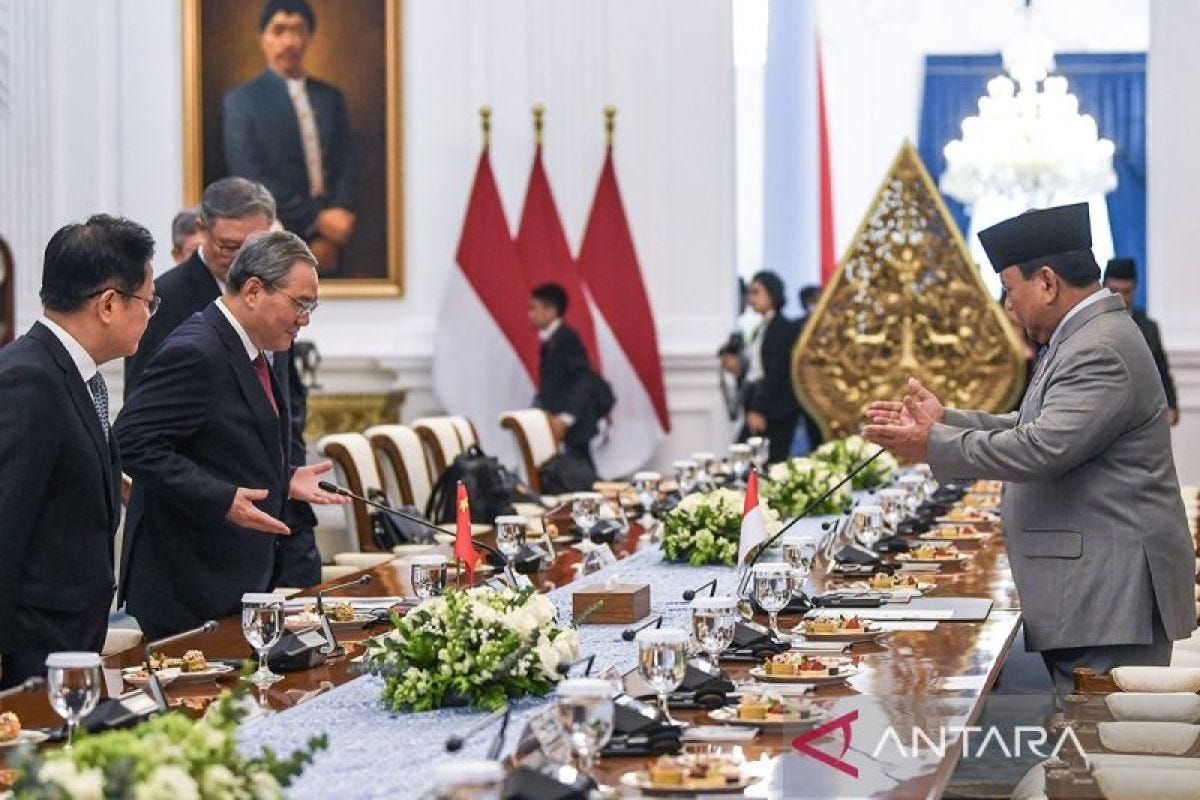
President Prabowo’s goal is to streamline the number of SOEs from over 1,000 to between 200 and 400 within three years through mergers, privatisations, and dissolutions. The emphasis is on creating more efficient, profitable companies that contribute to Indonesia’s fiscal health and economic growth.
Challenges and Risks in Implementing Reforms
Despite the positive intent, implementing reforms in Indonesia’s SOE sector faces significant obstacles. Critics warn that the broad powers granted to BP BUMN could be exploited for political ends, especially given the vague language around “optimising” SOEs and aligning them with national development priorities. This ambiguity leaves room for political interference, potentially leading to projects driven more by short-term political gains than sound economic rationale.
For example, the expansion of the high-speed rail network beyond its current route despite ongoing losses illustrates how political considerations may override financial realities. Similarly, many of Jokowi’s infrastructure projects have accumulated unsustainable debts, burdening the government and taxpayers.
Moreover, there are concerns about resistance from within SOEs, where executives resistant to restructuring may exploit overlaps between Danantara and BP BUMN to maintain the status quo. The risk of bureaucratic delays and internal power struggles could slow down necessary reforms.
Progress in Governance and Anti-Corruption Measures
One of the notable achievements of the new law is the prohibition on dual office-holding, requiring SOE commissioners to be professionals rather than political appointees. This move aims to improve governance and reduce conflicts of interest, which have historically plagued the sector. Data from Indonesia Corruption Watch shows numerous corruption cases involving SOEs, emphasizing the importance of strengthening oversight and transparency.
However, political appointments remain an issue. Despite promises of reform, some recent appointments include politicians, entertainers, and campaign volunteers, raising concerns about the true independence of SOE leadership. Experts stress that effective enforcement of the new regulations and transparent nomination processes are essential to ensuring meaningful change.
The Road Ahead for Indonesia’s SOE Sector
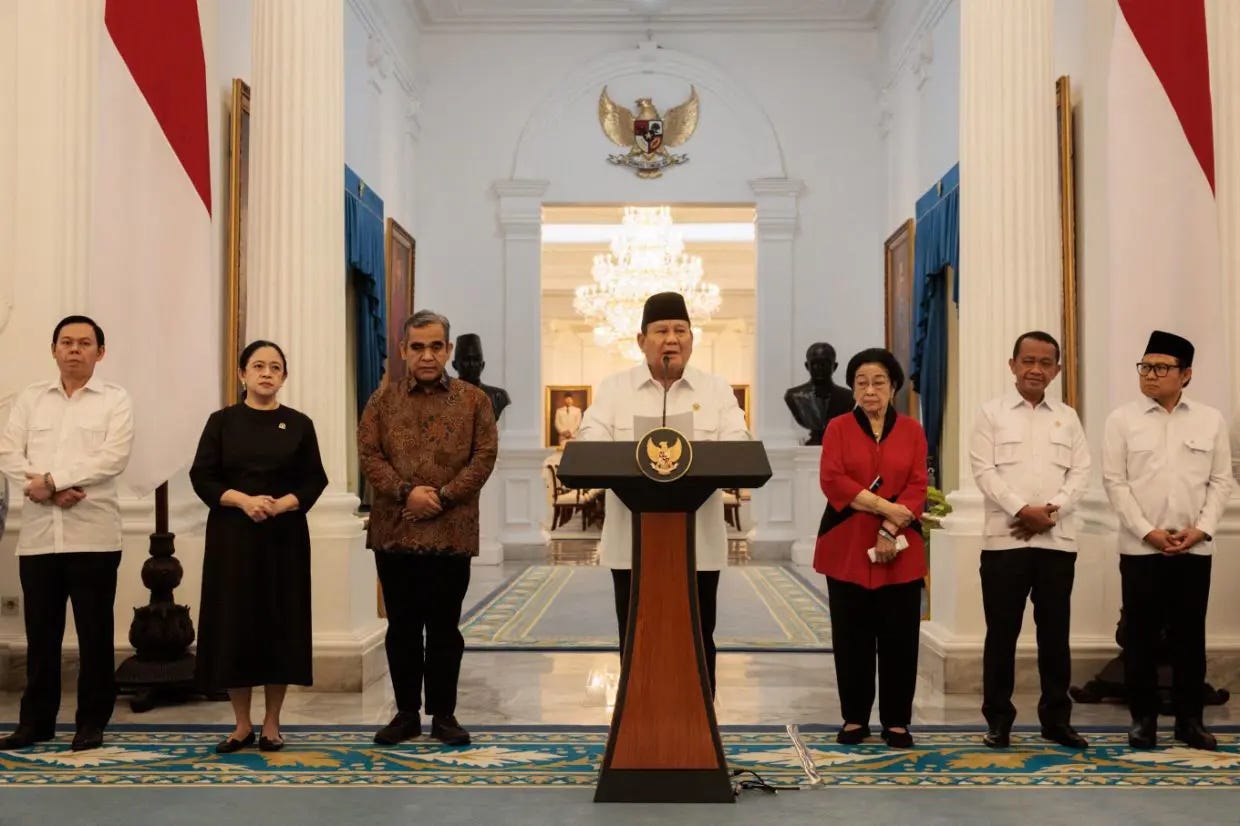
Indonesia’s ambitious reform agenda represents a critical step toward improving the efficiency, transparency, and accountability of its SOEs. The establishment of a dedicated regulator and the sovereign wealth fund signals a shift towards more professional management and reduced political interference.
Nevertheless, the success of these reforms depends on overcoming bureaucratic hurdles, ensuring clear separation of powers, and maintaining political will to enforce governance standards. Regular, publicly accessible reporting and independent oversight will be vital in building public trust and ensuring that SOEs serve the national interest.
As Indonesia navigates this complex transition, the ultimate goal remains clear: to create a more sustainable, profitable, and transparent SOE sector that can contribute meaningfully to the country’s economic development and fiscal stability. The coming years will be crucial in determining whether these reforms can deliver on their promise of a cleaner, more efficient state enterprise ecosystem.
Conclusion
President Prabowo’s efforts to reform Indonesia’s SOEs through new laws, a dedicated regulator, and a sovereign wealth fund are significant steps forward. While challenges remain, particularly around bureaucratic overlap and political interference, the reform process aligns with Indonesia’s broader economic ambitions. The effectiveness of these measures will ultimately determine the future of Indonesia’s state-owned enterprises and their role in national development.